$PSX
AI Sentiment Score: 0/100|0 articles (7d)|USD
Open
$159.53
Day High
$162.96
Day Low
$160.05
Prev Close
$159.53
Volume
2.4M
Sentiment
0
0B · 0Be
Intraday Price Chart · 5-Min Candles
79 data points · Dashed line = EOD prediction
EOD Prediction
$162.85
+0.00 (+0.00%) vs now
AI Signal
— HOLD
EOD prediction is AI-generated from news sentiment only. Not financial advice.
Latest Analysis for $PSX
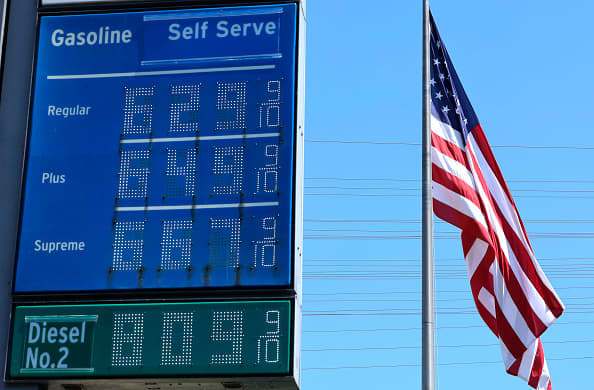
Here’s where to find the cheapest gas in America right now — up to 34 cents a gallon below the national average
Gas prices across America are seeing significant variation, with certain areas offering prices up to 34 cents a gallon below the national average. This disparity is prompting consumers to adjust their travel plans and seek out cheaper fuel options. As people change their commuting habits, it suggests a shift towards more cost-effective transportation methods. The trend may impact travel-related businesses and consumer spending patterns. Consequently, this could lead to volatility in the energy sector, particularly among companies involved in gasoline production and distribution.

The Strangest Oil Investment in America Just Had One of Its Best Years Ever
The article highlights an unconventional oil investment in America that has outperformed traditional oil stocks, experiencing one of its best years due to rising oil prices and increased demand. This unique investment, likely to be linked to innovative technologies or methods in oil extraction, positions itself against the backdrop of current energy market volatility. Investors are increasingly drawn to alternative energy solutions, thereby impacting traditional oil companies. The strong performance of this oil investment contrasts with the broader skepticism toward fossil fuels, suggesting a nuanced market sentiment. Overall, this could indicate a shift where investors are finding value in less standard investment options, even as they remain cautious regarding traditional oil stocks.

Middle East war damage to energy assets may cost up to $58 billion, research firm Rystad says
The ongoing conflict in the Middle East is projected to inflict significant damages on energy assets, with research firm Rystad estimating costs could reach up to $58 billion. This situation raises concerns about energy supply disruptions, which could further escalate oil and gas prices globally. Investors are closely monitoring the volatility in the region as it directly affects energy markets. A potential impact on global economic stability is also a concern as countries reliant on Middle Eastern energy may face challenges. Traders should prepare for heightened market sensitivity related to energy stocks as the situation evolves.

Phillips 66 (PSX) Is Expected to Benefit from Rising Crack Spreads
Phillips 66 is set to gain from increasing crack spreads, which indicate a wider margin between crude oil prices and refined product prices. The company has a significant refining capacity, allowing it to capitalize on favorable market conditions. Analysts project continued strength in crack spreads due to global supply constraints. This trend could offer substantial profit opportunities for Phillips 66 in the coming quarters. Investors are showing increased interest in the stock as profit forecasts improve.

The $100 Barrel Is Back: Trading The Hormuz Havoc
The resurgence of oil prices to around $100 per barrel due to heightened tensions in the Strait of Hormuz poses significant implications for the energy market. Geopolitical tensions and potential supply disruptions are amplifying concerns among traders and investors alike. Analysts predict continued volatility in oil prices, especially if conflicts escalate. Companies heavily reliant on oil production and exports could see shifts in stock performance driven by these price changes. As a result, energy stocks may present both risks and opportunities for traders in the short term.
Trump’s Hormuz blockade puts China, India in crosshairs as U.S. pressure on Iran spills over
The U.S. blockade of the Strait of Hormuz could lead to heightened tensions with China and India, both of whom heavily rely on oil imports from the region. This geopolitical maneuver by the U.S. might trigger retaliatory strategies from these nations, impacting global oil supply and prices. Analysts predict a potential surge in oil prices due to supply fears, which could benefit U.S. oil producers. Conversely, companies reliant on energy imports might face pressure as costs rise. Investors should brace for increased volatility in oil markets and related sectors.
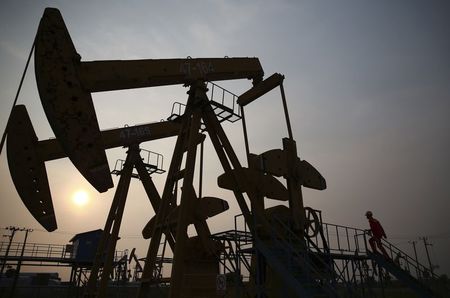
BofA: US economy now far less vulnerable to oil price shocks
According to Bank of America, the US economy has become far less susceptible to shocks from rising oil prices. This change is largely attributed to increased domestic energy production and a more diversified energy portfolio. Analysts suggest that improvements in energy efficiency have contributed to the lower volatility associated with oil price fluctuations. As a result, consumer spending is expected to remain stable, despite potential spikes in oil prices. This analysis could lead to enhanced investor confidence in sectors less affected by oil prices.
Here's How Much Gasoline the Average American Consumes Annually
Americans consume a significant amount of gasoline annually, highlighting the ongoing reliance on fossil fuels. This trend can impact the demand for gas-related stocks and may influence broader economic factors. Elevated gasoline consumption often correlates with increased oil prices, which could benefit oil producers. Additionally, seasonal fluctuations in consumption patterns can create trading opportunities. Understanding these consumption trends can help investors position themselves in the energy sector.

The damage wrought on the Middle East’s oil and gas supplies
The recent US-Israeli conflict with Iran has severely impacted oil and gas production in Saudi Arabia and Qatar, two major players in the Middle East energy market. This disruption may lead to increased oil prices due to supply constraints. Investors are likely to react to the uncertainty surrounding Middle Eastern oil supplies, which could result in volatility in oil-related stocks. The geopolitical tensions highlight the fragility of energy supplies in the region and may prompt a broader shift towards alternative energy investments. Overall, while oil prices may rise in the short term, the long-term effects could drive changes in energy strategies globally.